A single prawn dumpling carries more than flavour — it carries proof of a craftsman's hands. Here is what those twelve pleats really mean.
Why twelve
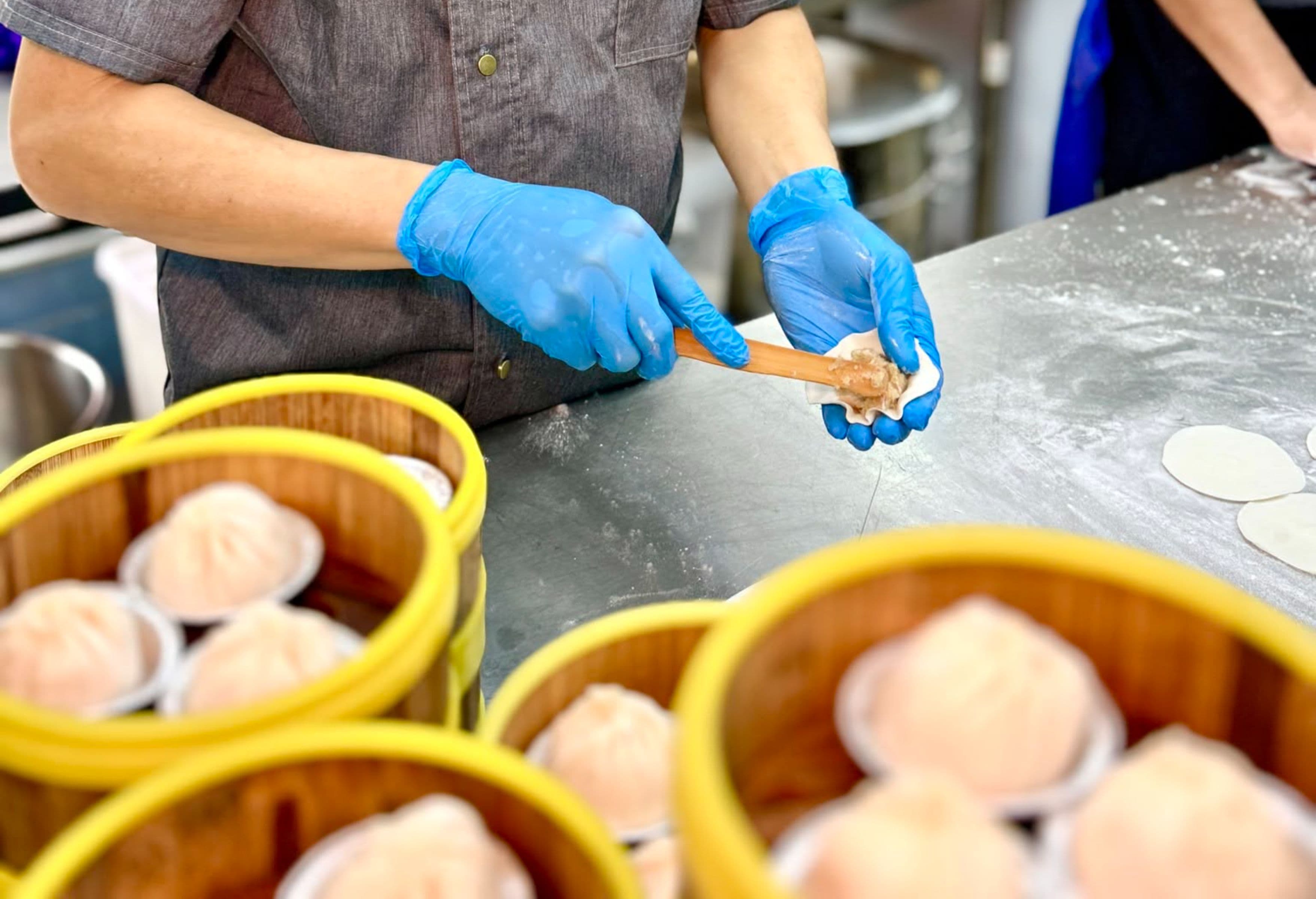
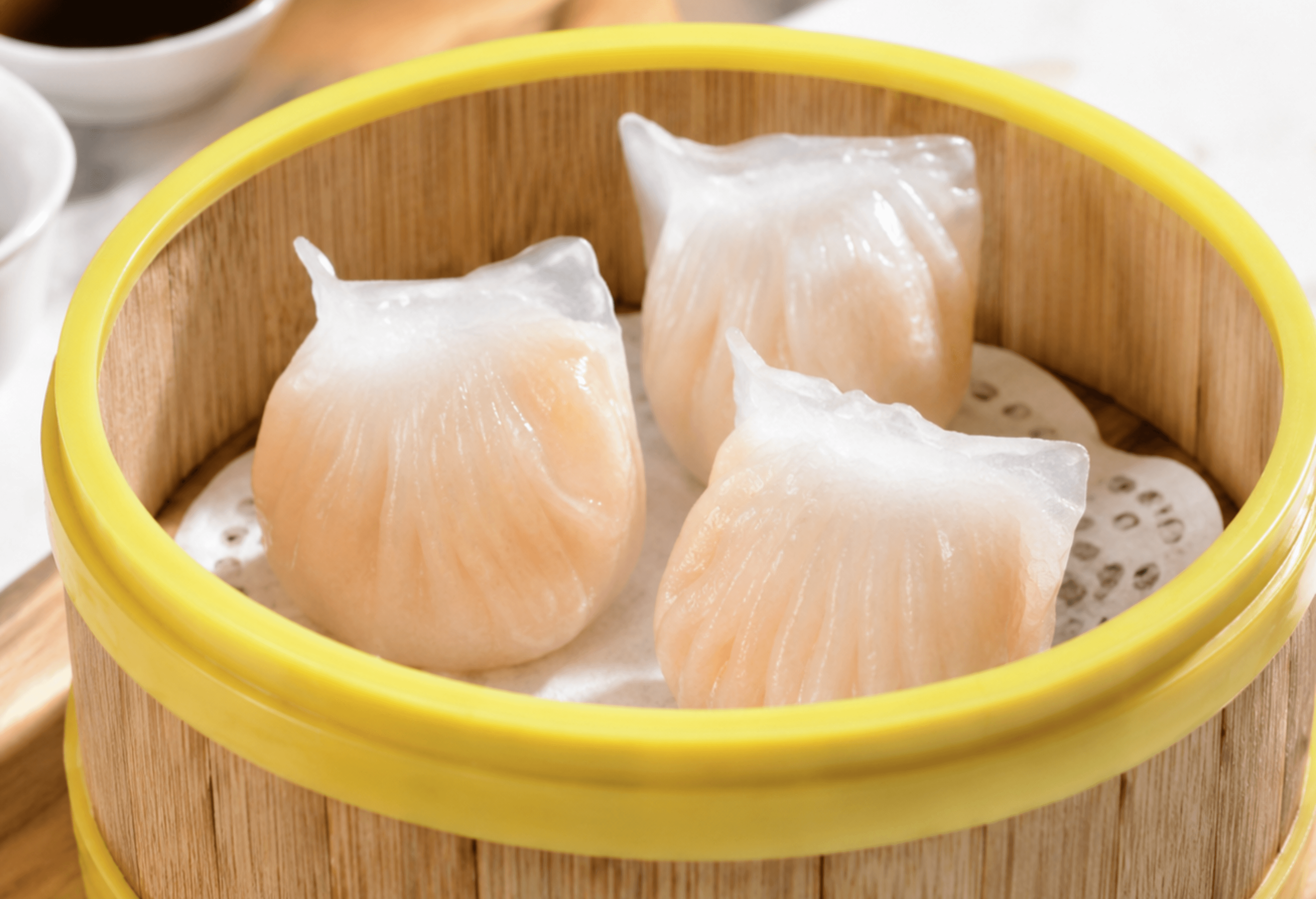
In a proper Cantonese kitchen, a crystal har gow is pleated by hand into at least twelve folds. Fewer, and the skin tears in the steam; more, and the dumpling grows heavy and dull. Twelve is the number where strength and delicacy meet.
Our master chefs bring more than twenty years to that fold. The motion looks effortless because it has been repeated a hundred thousand times.
The skin is the hardest part
The wrapper is wheat starch scalded with boiling water, kneaded warm, and rolled paper-thin while still pliable. Work too slowly and it cools and cracks. This is why har gow can never be mass-produced — it must be made by a person, in the moment, every morning.
Taste the proof
When you lift one to the light and see the whole prawn curled inside a translucent shell, you are looking at a small, honest act of craftsmanship. That is the standard we hold at every basket.